Migratory Birds of the Tropical Dry Forest
Costa Rica is one of the most important migratory corridors in the world. Every year, millions of birds travel across the country, moving between North and South America.
The tropical dry forest of Guanacaste plays a critical role as a resting, feeding, and survival habitat. Most migratory species do not breed here—instead, they spend the northern winter months in this region, where food is abundant and competition is lower.
Many species remain in Costa Rica for up to 5–6 months before returning north to reproduce.
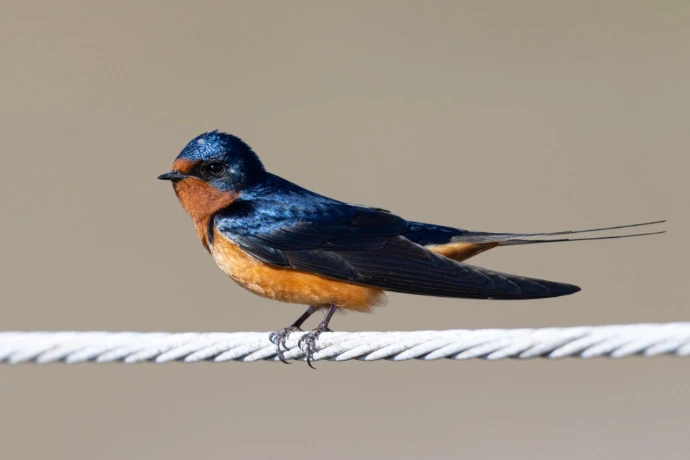
Barn Swallow (Hirundo rustica)
Type: Global migrant
Size: Small–medium
Identification
- Deeply forked tail (very distinctive)
- Glossy blue upperparts, pale to buff underparts
- Reddish throat in adults
- Juveniles duller with shorter tail
Behavior
- Highly aerial insectivore
- Feeds on the wing continuously
- Frequently seen in flocks, especially at dusk
Migration
- Present: September–April
- Long-distance migrant from North America
- Can remain for several months during non-breeding season
Breeding
- ❌ Does NOT breed in Costa Rica
- ✔️ Breeds in North America
- Builds mud nests on human structures
Habitat
- Open areas, towns, roads, agricultural land
- Common around human settlements
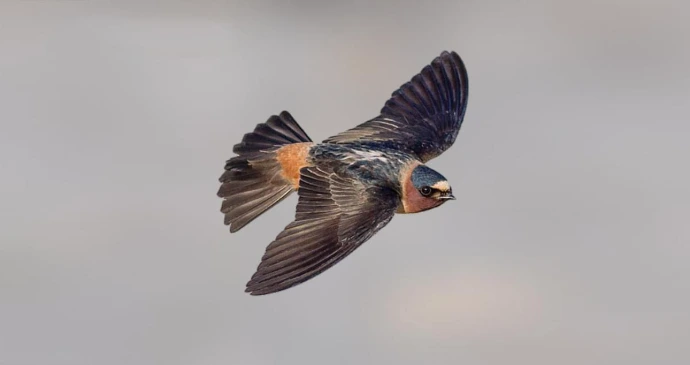
Cliff Swallow (Petrochelidon pyrrhonota)
- Type: Long-distance migrant
- Size: Small
Identification
- Pale buff forehead
- Square tail (less forked than Barn Swallow)
- Dark upperparts with lighter rump
- Strongly colonial species
- Builds large mud nest colonies
- Fast, erratic flight
- Present: September–April
- Travels in flocks during migration
- ❌ Does NOT breed in Costa Rica
- ✔️ Breeds in North America
- Constructs gourd-shaped mud nests
- Open areas, cliffs, bridges, buildings
Behavior
Migration
Breeding
Habitat
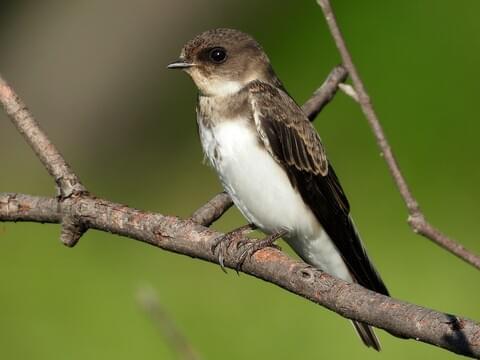
Bank Swallow (Riparia riparia)
Type: Long-distance migrant
Size: Small
Identification
- Brown upperparts, white underside
- Distinct dark chest band
- Small and slim compared to other swallows
Behavior
- Flies low over water catching insects
- Often seen in loose flocks
Migration
- Present: September–April
- Migrates from North America
Breeding
- ❌ Does NOT breed in Costa Rica
- ✔️ Breeds in northern regions
- Nests in burrows along riverbanks
Habitat
- Rivers, wetlands, coastal lagoons
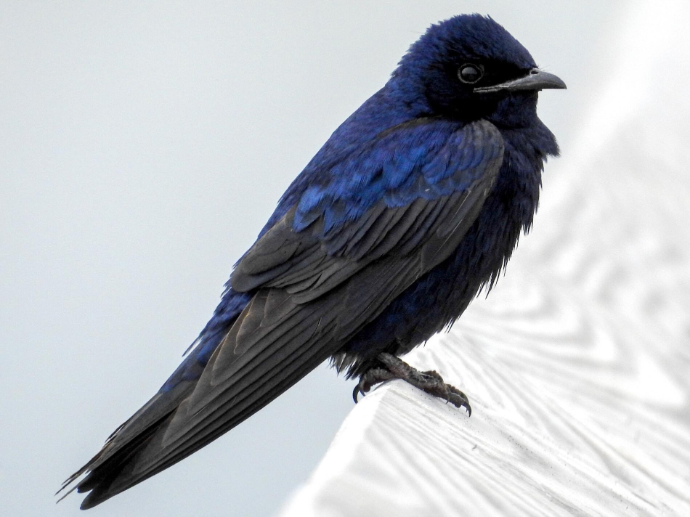
Purple Martin (Progne subis)
Type: Long-distance migrant
Size: Medium
Identification
- Males: glossy dark blue-black
- Females: duller grayish tones
- Long pointed wings
Behavior
- Highly social
- Feeds on flying insects
- Roosts in large communal groups
Migration
- Present: August–April
- Among the earliest migrants to arrive
Breeding
- ❌ Does NOT breed in Costa Rica
- ✔️ Breeds in North America
- Strong association with human nesting structures
Habitat
- Open skies, towns, wetlands
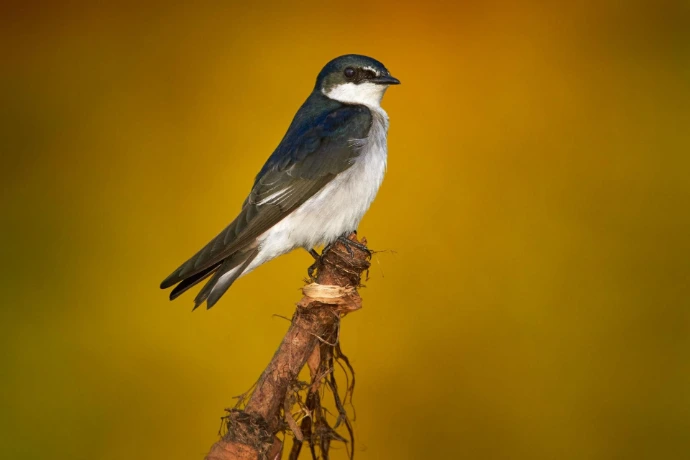
Tree Swallow (Tachycineta bicolor)
Type: Migrant
Size: Small
Identification
- Iridescent blue-green upperparts
- Bright white underparts
- Juveniles browner
Behavior
- Agile aerial feeder
- Often seen near water
- Forms small flocks
Migration
- Present: September–April
- ❌ Does NOT breed in Costa Rica
- ✔️ Breeds in North America (tree cavities)
- Wetlands, lakes, open areas
- ❌ Does NOT breed in Costa Rica
- ✔️ Breeds in North America
- Constructs gourd-shaped mud nests
- Open areas, cliffs, bridges, buildings
Breeding
Habitat
Breeding
Habitat
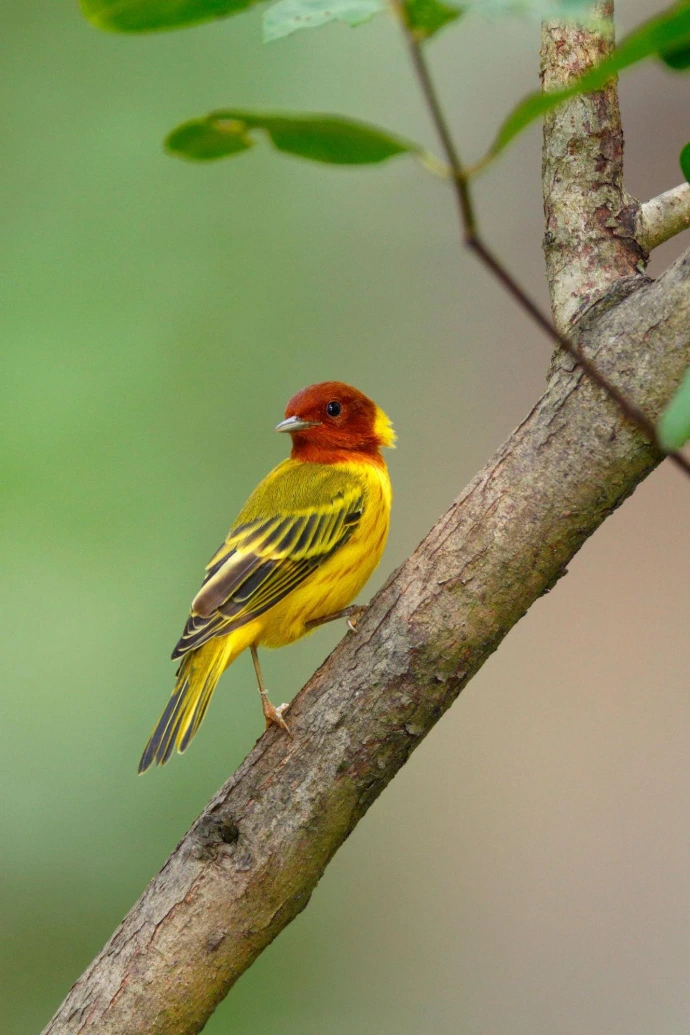
Yellow Warbler (Setophaga petechia)
Type: Boreal migrant
Size: Small
Identification
- Bright yellow body overall
- Males show faint reddish streaks on chest
- Females and juveniles duller, more uniform yellow
- Slight seasonal variation in brightness
Behavior
- Constantly active insectivore
- Moves rapidly through branches and foliage
- Frequently joins mixed-species flocks
Migration
- Present: September–April
- Widespread winter visitor across Costa Rica
Breeding
- ❌ Does NOT breed in Costa Rica
- ✔️ Breeds in North America
- Builds small cup-shaped nests in shrubs
Habitat
- Tropical dry forest, mangroves, gardens, forest edges
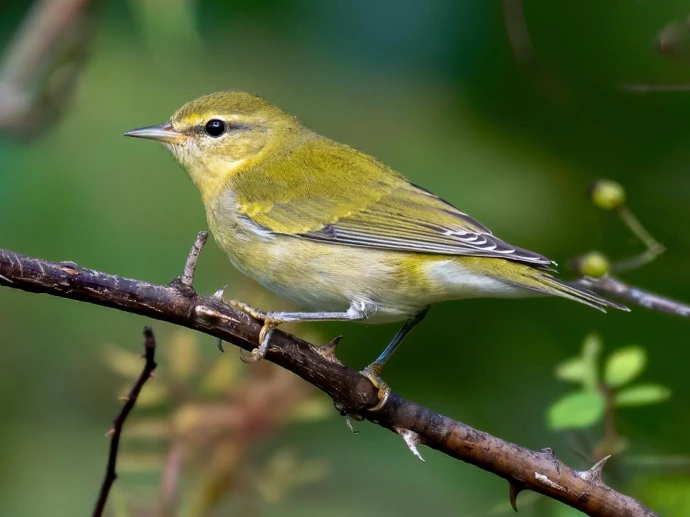
Tennessee Warbler (Leiothlypis peregrina)
Type: Boreal migrant
Size: Small
Identification
- Olive-green upperparts
- Pale underparts with subtle gray tones
- Thin, pointed bill
- Faint eye line
Behavior
- Fast-moving canopy forager
- Feeds heavily on insects and nectar
- Important pollinator during migration
Migration
- Present: September–April
- One of the more abundant warblers
Breeding
- ❌ Does NOT breed in Costa Rica
- ✔️ Breeds in boreal forests
Habitat
- Forest canopy, secondary growth, edges
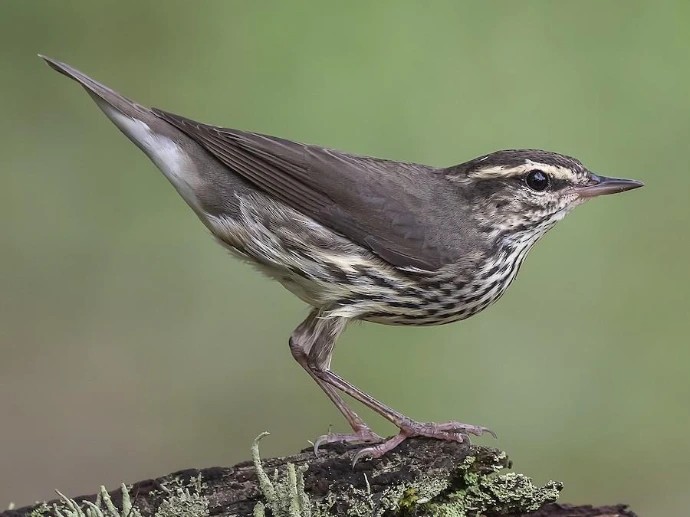
Northern Waterthrush (Parkesia noveboracensis)
- Type: Boreal migrant
- Size: Small
Identification
- Brown upperparts, buff underparts
- Strong pale eyebrow stripe
- Streaked chest
- Resembles a small thrush
Behavior
- Walks rather than hops
- Constant tail bobbing
- Forages on ground near water
- Present: September–April
- Common winter visitor
- ❌ Does NOT breed in Costa Rica
- ✔️ Breeds in North America
- Wet forest floor, streams, mangroves
Migration
Breeding
Habitat
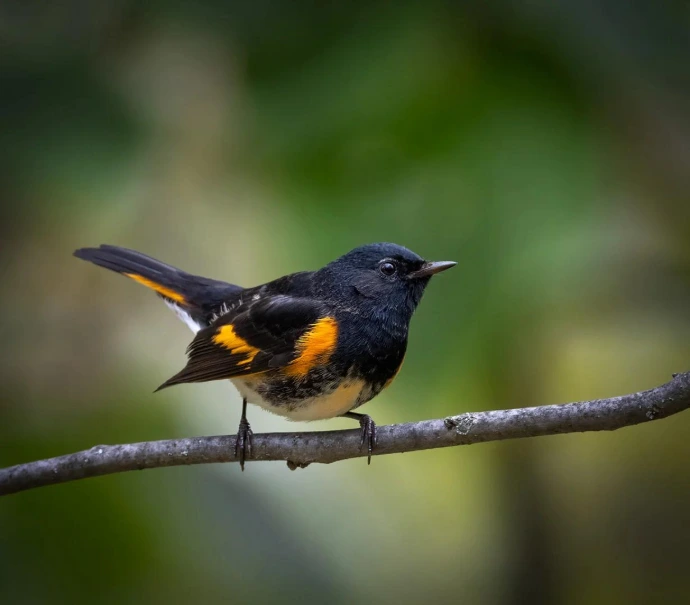
American Redstart (Setophaga ruticilla)
- Type: Migratory
- Size: Small
Identification
- Males: black with bright orange patches
- Females: gray with yellow patches
- Distinctive tail markings
Behavior
- Fans tail to flush insects
- Very active and energetic
- Forages in mid-level vegetation
- Present: September–April
- ❌ Does NOT breed in Costa Rica
- ✔️ Breeds in North America
- Forest edges, secondary growth, gardens
Migration
Breeding
Habitat
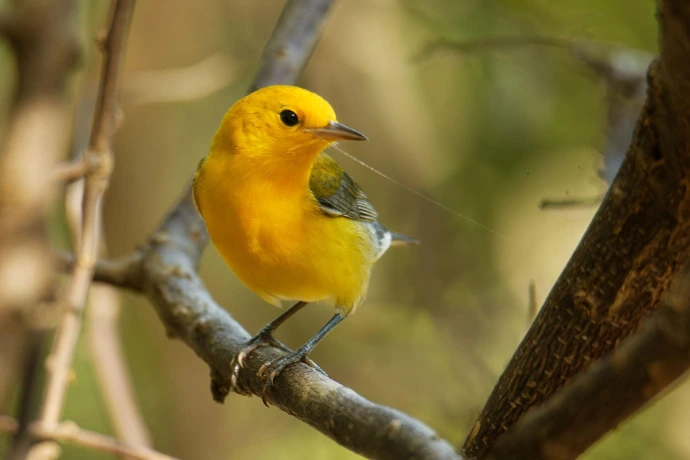
Prothonotary Warbler (Protonotaria citrea)
Type: Migratory
Size: Small
Identification
- Bright golden-yellow head and chest
- Blue-gray wings
- Thick bill compared to other warblers
Behavior
- Strong association with water
- Slow, deliberate movements
- Often low in vegetation
Migration
- Present: September–April
Breeding
- ❌ Does NOT breed in Costa Rica
- ✔️ Breeds in North America
- Nests in tree cavities near water
Habitat
- Mangroves, wetlands, river edges
Northern Waterthrush (Parkesia noveboracensis)
Type: Boreal migrant
Size: Small
Identification
- Brown upperparts, buff underparts
- Strong pale eyebrow stripe
- Streaked chest
- Resembles a small thrush
- Walks rather than hops
- Constant tail bobbing
- Forages on ground near water
- Present: September–April
- Common winter visitor
- ❌ Does NOT breed in Costa Rica
- ✔️ Breeds in North America
- Wet forest floor, streams, mangroves
Behavior
Migration
Breeding
Habitat
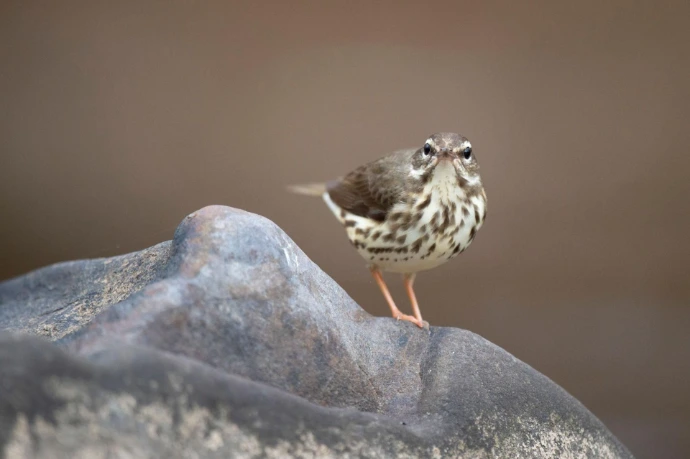
Louisiana Waterthrush (Parkesia motacilla)
Type: Boreal migrant
Size: Small
Identification
- Bold white eyebrow
- Cleaner underparts than Northern Waterthrush
- Longer legs
Behavior
- Walks along streams
- Frequently bobs tail
- Territorial behavior even in winter
Migration
- Present: September–April
- Less common than Northern Waterthrush
Breeding
- ❌ Does NOT breed in Costa Rica
- ✔️ Breeds in North America (near streams)
Habitat
- Clear forest streams, shaded riverbanks
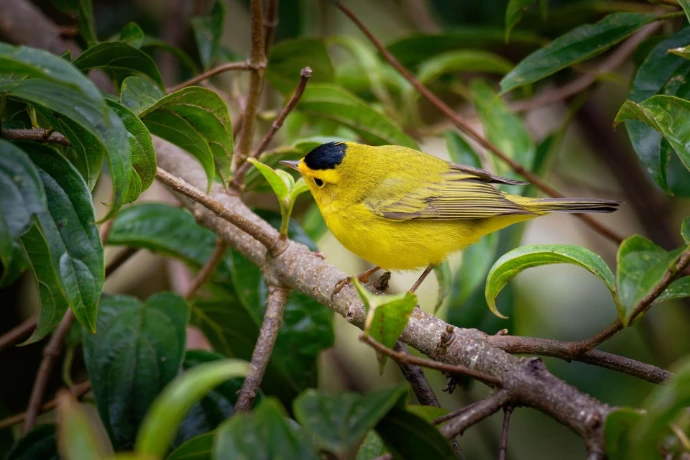
Wilson’s Warbler (Cardellina pusilla)
Type: Boreal migrant
Size: Small
Identification
- Bright yellow body
- Distinct black cap (males)
- Females may lack or have faint cap
Behavior
- Very active and restless
- Forages in shrubs and low vegetation
- Often in mixed flocks
Migration
- Present: September–April
Breeding
- ❌ Does NOT breed in Costa Rica
- ✔️ Breeds in North America
Habitat
- Shrublands, forest edges, gardens
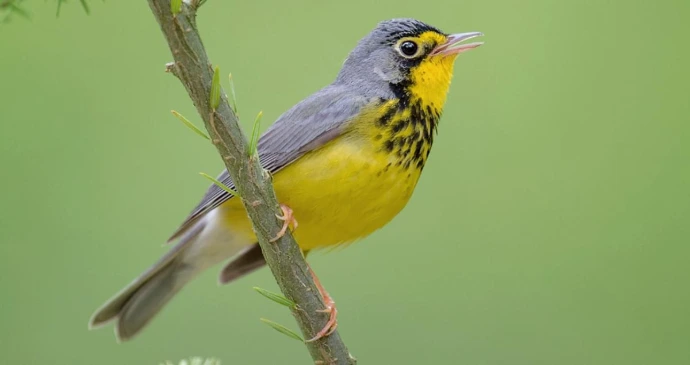
Canada Warbler (Cardellina canadensis)
Type: Boreal migrant
Size: Small
Identification
- Yellow underparts
- Gray upperparts
- Distinct black “necklace” across chest
Behavior
- Prefers dense understory
- Quick, darting movements
- Often difficult to observe
Migration
- Present: September–April
Breeding
- ❌ Does NOT breed in Costa Rica
- ✔️ Breeds in North America
Habitat
- Dense forest understory, shaded areas
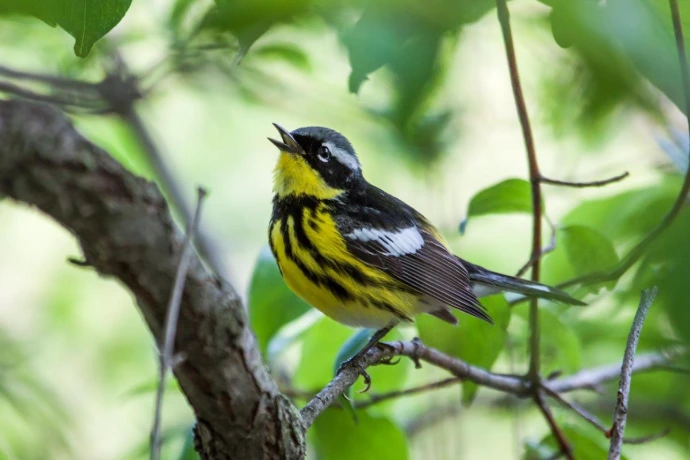
Magnolia Warbler (Setophaga magnolia)
- Type: Boreal migrant
- Size: Small
Identification
- Bright yellow underparts with bold black streaks
- Gray back
- Distinct tail pattern
Behavior
- Forages in mid to upper canopy
- Active and vocal during migration
- Present: September–April
- ❌ Does NOT breed in Costa Rica
- ✔️ Breeds in boreal forests
- Forest canopy, edges, secondary growth
-
Migration
Breeding
Habitat
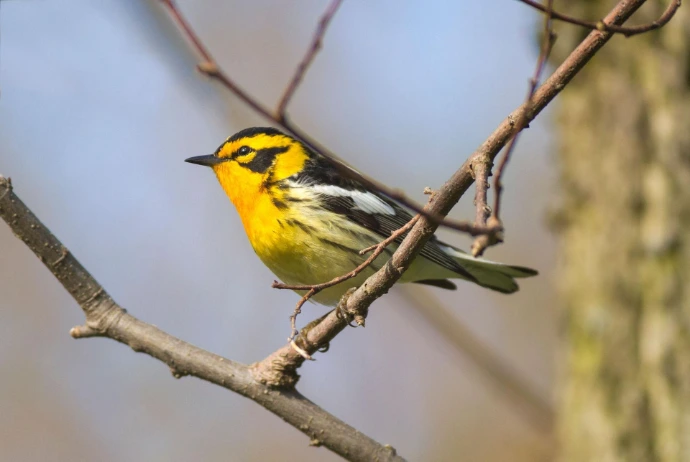
Blackburnian Warbler (Setophaga fusca)
Type: Boreal migrant
Size: Small
Identification
- Bright orange throat and face (males)
- Females duller yellow-orange
- Black and white upperparts
- Very distinctive among warblers
Behavior
- Strong preference for high canopy
- Active insect hunter
- Often difficult to see due to height
Migration
- Present: September–April
Breeding
- ❌ Does NOT breed in Costa Rica
- ✔️ Breeds in North American coniferous forests
Habitat
- Forest canopy, mature woodland
Chestnut-sided Warbler (Setophaga pensylvanica)
Type: Boreal migrant
Size: Small
Identification
- White underparts
- Chestnut streak along sides
- Yellow crown
Behavior
- Active in shrubs and edges
- Frequently joins mixed flocks
Migration
- Present: September–April
Breeding
- ❌ Does NOT breed in Costa Rica
- ✔️ Breeds in North America
Habitat
- Forest edges, secondary growth, shrubs
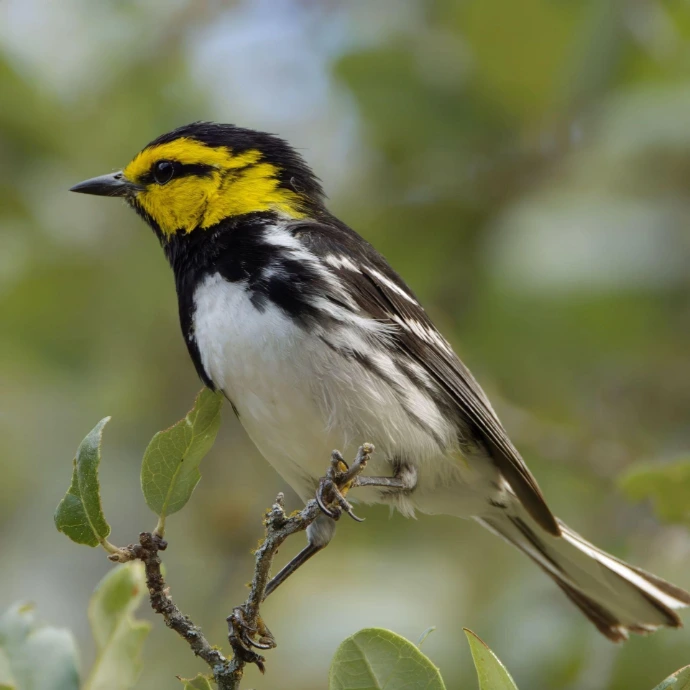
Black-throated Green Warbler (Setophaga virens)
Type: Boreal migrant
Size: Small
Identification
- Greenish upperparts
- Yellow face
- Distinct dark throat (males)
- Forages in canopy
- Moves methodically along branches
- Present: September–April
- ❌ Does NOT breed in Costa Rica
- ✔️ Breeds in North America
- Forest canopy, mixed woodland
Behavior
Migration
Breeding
Habitat
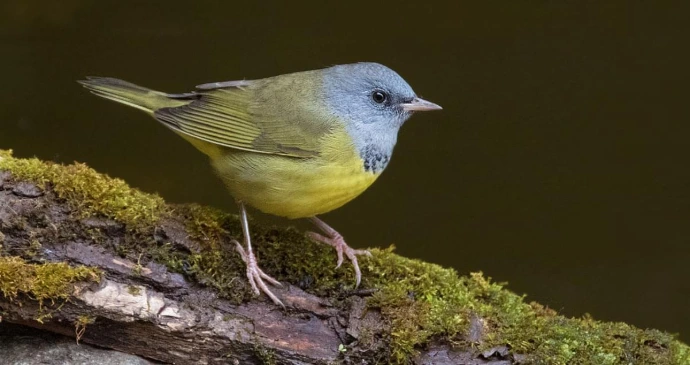
Mourning Warbler (Geothlypis philadelphia)
Type: Boreal migrant
Size: Small
Identification
- Gray hood
- Yellow underparts
- Lacks strong markings
Behavior
- Secretive and low in vegetation
- Prefers dense cover
Migration
- Present: September–April
Breeding
- ❌ Does NOT breed in Costa Rica
- ✔️ Breeds in North America
Habitat
- Dense shrubs, forest understory
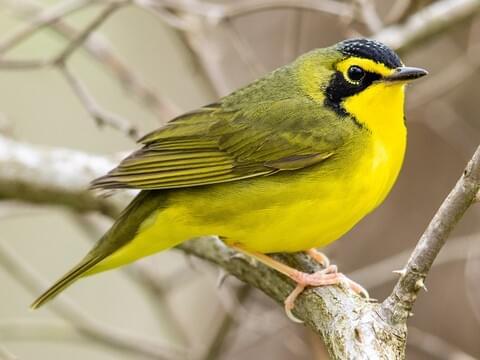
Kentucky Warbler (Geothlypis formosa)
Type: Boreal migrant
Size: Small
Identification
- Bright yellow body
- Bold black facial mask
- Olive upperparts
Behavior
- Ground-dwelling warbler
- Walks through leaf litter
Migration
- Present: September–April
Breeding
- ❌ Does NOT breed in Costa Rica
- ✔️ Breeds in North America
Habitat
- Forest floor, dense understory
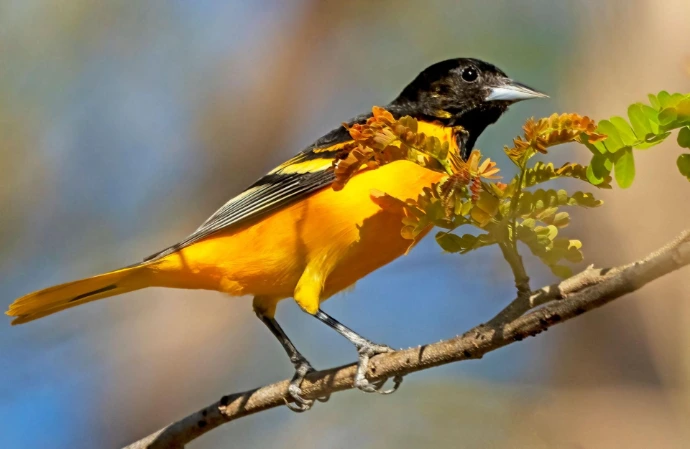
Baltimore Oriole (Icterus galbula)
- Type: Boreal migrant
- Size: Medium
Identification
- Males: bright orange and black
- Females: duller yellow-orange
- Slender pointed bill
- Feeds on fruit, nectar, and insects
- Often seen in canopy or fruiting trees
- Occasionally visits feeders
- Present: September–April
- ❌ Does NOT breed in Costa Rica
- ✔️ Breeds in North America
- Builds hanging woven nests
- Forest edges, gardens, open woodland
-
Behavior
Migration
Breeding
Habitat
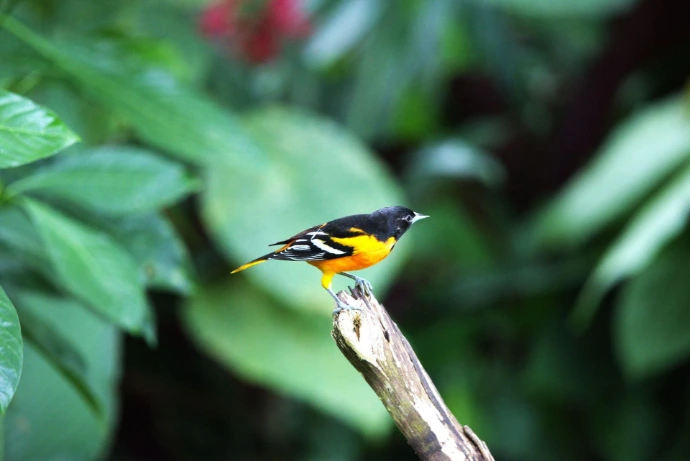
Mourning Warbler (Geothlypis philadelphia)
: Small–medium
Identification
- Males: chestnut and black
- Females: greenish-yellow
- Smaller than Baltimore Oriole
Behavior
- Active canopy forager
- Feeds on insects and nectar
Migration
- Present: September–April
Breeding
- ❌ Does NOT breed in Costa Rica
- ✔️ Breeds in North America
Habitat
- Open woodland, edges, scattered trees
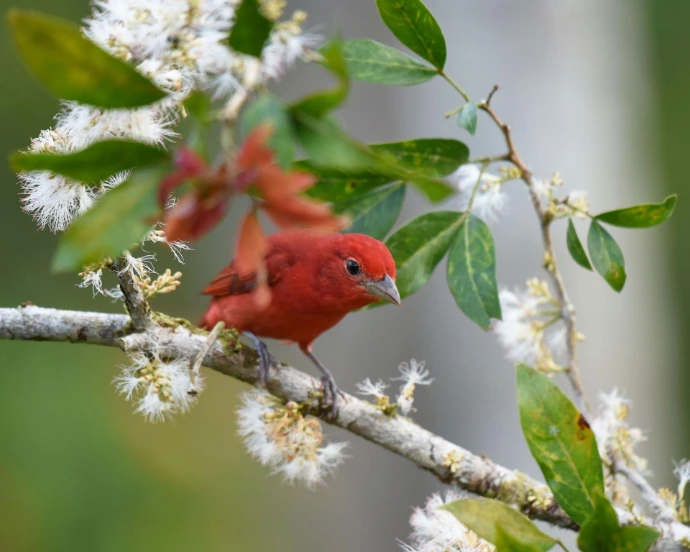
Summer Tanager (Piranga rubra)
Type: Boreal migrant
Size: Medium
Identification
- Males: bright red overall
- Females: yellowish-olive
- Thick bill
Behavior
- Specializes in catching bees and wasps
- Forages slowly in canopy
Migration
- Present: September–April
Breeding
- ❌ Does NOT breed in Costa Rica
- ✔️ Breeds in North America
Habitat
- Forest, woodland, edges
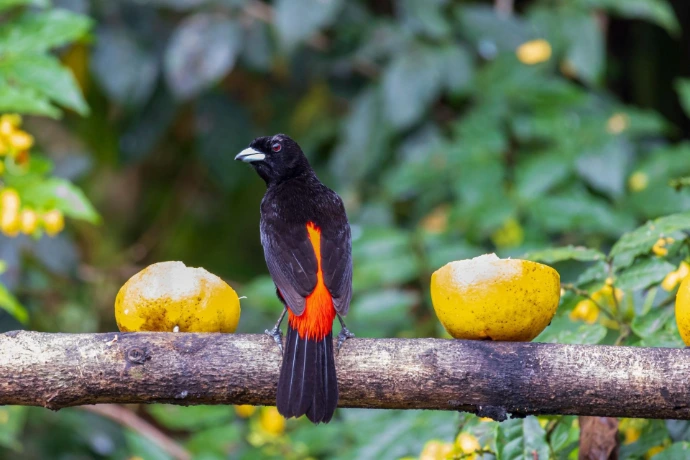
Scarlet Tanager (Piranga olivacea)
Type: Boreal migrant
Size: Medium
Identification
- Males: red body with black wings
- Females: yellow-green
- Strong bill
Behavior
- Prefers upper canopy
- Feeds on insects and fruit
- Present: September–April
- ❌ Does NOT breed in Costa Rica
- ✔️ Breeds in North America
- Forest canopy, mature woodland
Migration
Breeding
Habitat
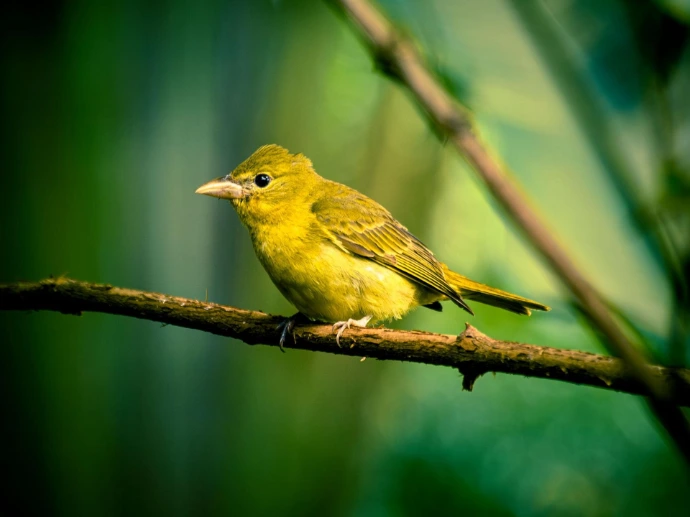
Yellow Warbler (Setophaga petechia)
Type: Boreal migrant
Size: Small (10–13 cm)
Identification
- Bright yellow plumage (males more vivid)
- Females and juveniles are duller → seasonal and age-related plumage variation
Behavior
- Highly active insectivore
- Frequently joins mixed-species flocks
Migration
- Arrival: September–October
- Departure: March–April
Breeding
- ❌ Does NOT breed in Costa Rica
- ✔️ Breeds in North America
Habitat in Costa Rica
- Dry forest, mangroves, gardens
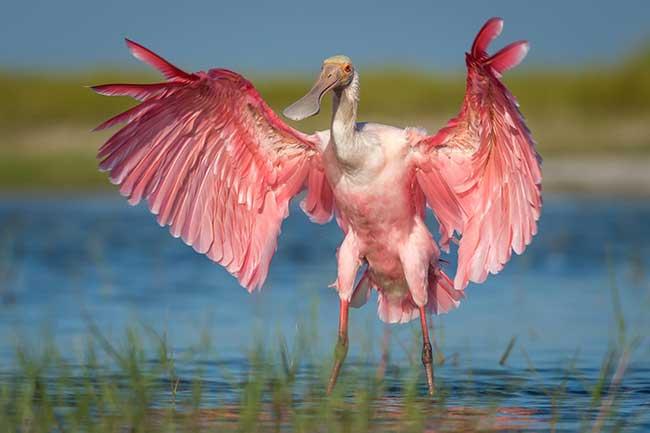
Roseate Spoonbill (Platalea ajaja)
Type: Regional migrant / resident
Size: Large (up to 80 cm)
Identification
- Bright pink coloration (diet-based pigments)
- Spoon-shaped bill
- Juveniles are pale → plumage changes with age
Behavior
- Feeds by sweeping bill through water
- Often seen in groups
Migration
- Present year-round with local movements
Breeding
- ✔️ Can breed in Central America
- Nests in mangroves and wetland trees
Habitat
- Wetlands like Parque Nacional Palo Verde
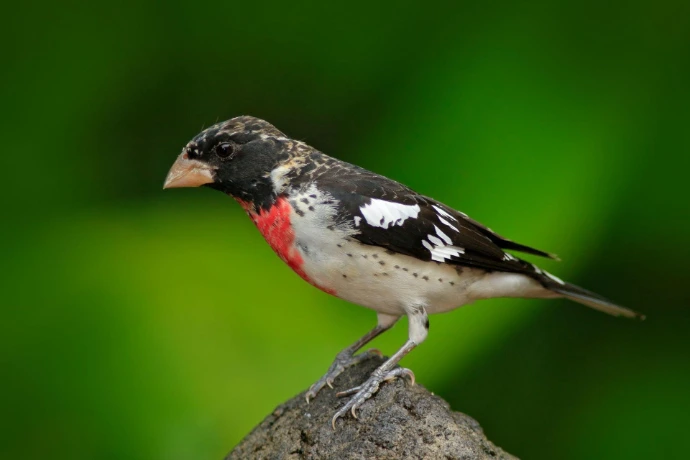
Rose-breasted Grosbeak (Pheucticus ludovicianus)
Type: Boreal migrant
Size: Medium
Identification
- Males: black and white with bright red chest patch
- Females: heavily streaked brown and white
- Thick conical bill
Behavior
- Feeds on seeds, fruits, and insects
- Often slow-moving in canopy
- Strong bill adapted for cracking seeds
Migration
- Present: September–April
Breeding
- ❌ Does NOT breed in Costa Rica
- ✔️ Breeds in North America
Habitat
- Forest edges, gardens, woodland
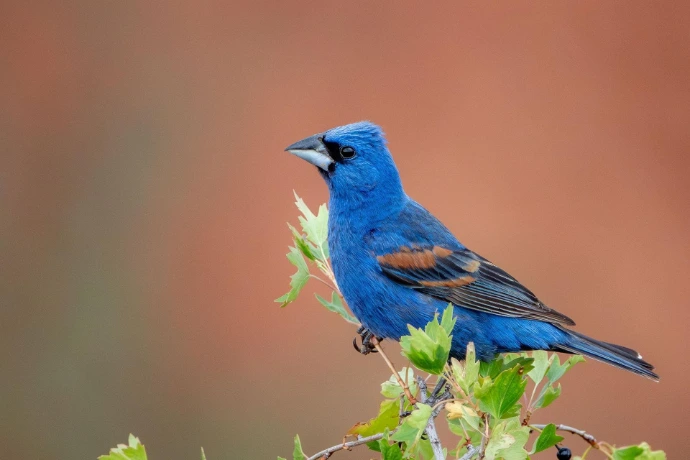
Blue Grosbeak (Passerina caerulea)
Type: Boreal migrant
Size: Medium
Identification
- Deep blue body (males)
- Brownish wings with rufous tones
- Females brown
Behavior
- Feeds on seeds and insects
- Often perches in open view
Migration
- Present: September–April
Breeding
- ❌ Does NOT breed in Costa Rica
- ✔️ Breeds in North America
Habitat
- Open areas, scrub, edges
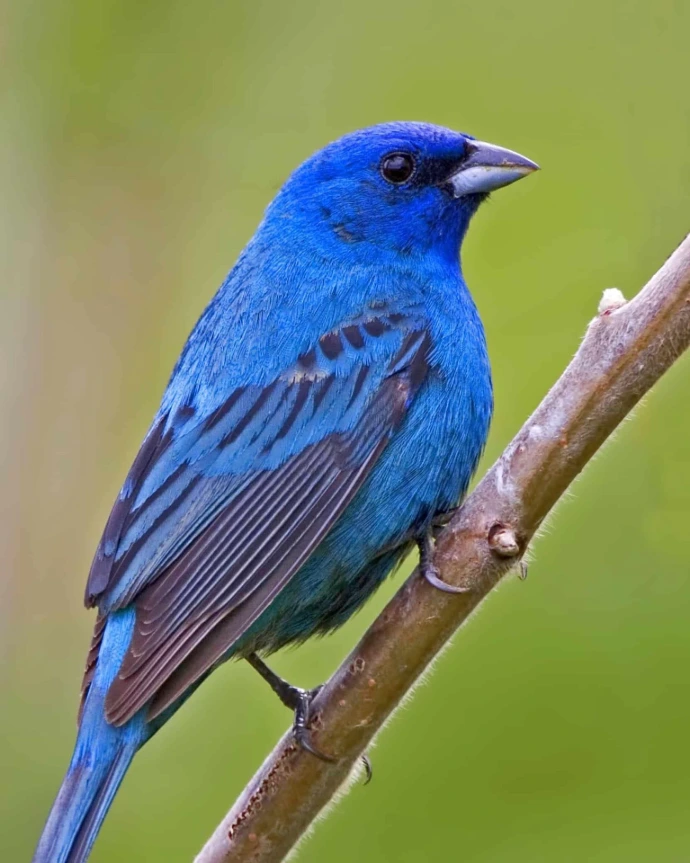
Indigo Bunting (Passerina cyanea)
Type: Boreal migrant
Size: Small
Identification
- Males: bright blue overall
- Females: brown
- Small conical bill
Behavior
- Active and often visible
- Feeds on seeds and insects
Migration
- Present: September–April
Breeding
- ❌ Does NOT breed in Costa Rica
- ✔️ Breeds in North America
Habitat
- Open woodland, edges, fields
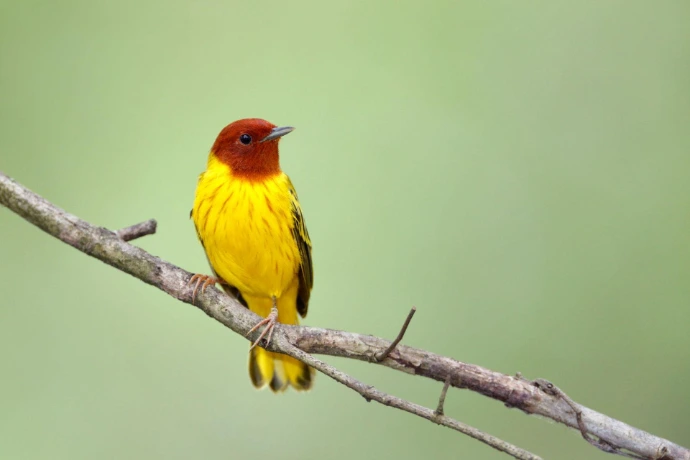
Painted Bunting (Passerina ciris)
Type: Boreal migrant
Size: Small
Identification
- Males: multicolored (blue, red, green)
- Females: greenish overall
- One of the most colorful passerines
Behavior
- Shy and often hidden in dense vegetation
- Feeds on seeds
Migration
- Present: September–April
Breeding
- ❌ Does NOT breed in Costa Rica
- ✔️ Breeds in North America
Habitat
- Dense shrubs, edges, scrub