Skip to Content
explora-guanacaste
  • Home
  • Stay Like a Local, Liberia
  • Tours
  • Corredor Biológico Morocochas
  • Guanacaste Through Time
explora-guanacaste
      • Home
      • Stay Like a Local, Liberia
      • Tours
      • Corredor Biológico Morocochas
      • Guanacaste Through Time

    Pochote (Pochota fendleri)

    The Pochote is one of the most distinctive native trees of Guanacaste's tropical dry forest. Recognized by its spiny trunk, impressive size, and beautiful seasonal flowers, it is a characteristic species of northwestern Costa Rica. Its ecological value, durable wood, and unmistakable appearance make it one of the region's most iconic native trees.

    Quick Facts

    FeatureInformation
    Scientific NamePochota fendleri
    Common NamePochote
    FamilyMalvaceae
    Type🟢 Native Species
    OriginCentral America
    Height20–35 m (66–115 ft)
    FloweringDecember–March
    FruitingFebruary–May
    Native to Costa Rica✔️ Yes

    Identification


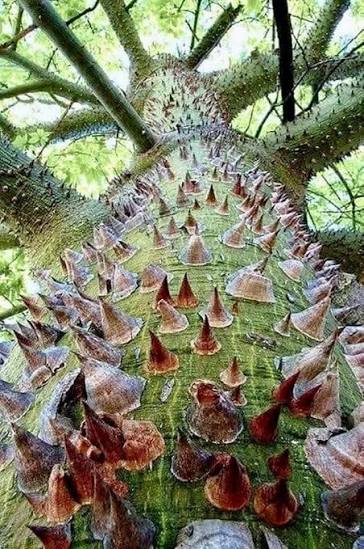
    The Pochote is easily recognized by its tall, straight trunk covered with large conical spines, especially in young trees. As the tree matures, many of these spines gradually disappear, leaving a thick gray trunk with a distinctive appearance.

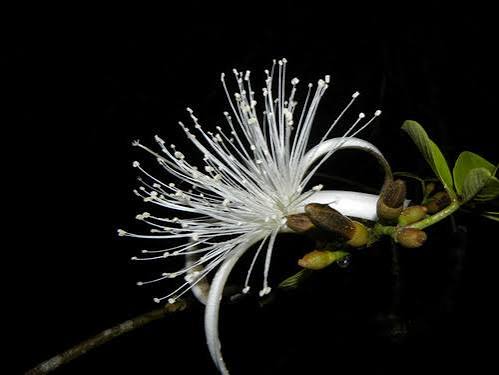
    During the dry season, the tree loses its leaves before producing large, showy flowers that stand out against the bare branches. Its woody fruits later split open to release numerous seeds surrounded by silky fibers that are carried by the wind.
    Read More

    Key Identification Features

    • Tall deciduous tree
    • Trunk covered with large conical spines
    • Thick gray bark
    • Broad, rounded canopy
    • Palmately compound leaves
    • Large white to pale pink flowers
    • Woody capsules filled with silky fibers and numerous seeds

    Habitat

    The Pochote is a characteristic tree of the tropical dry forest and is well adapted to Guanacaste's long dry season.

    It is commonly found in:

    • Tropical dry forests
    • Open woodlands
    • Hillsides
    • Pastures
    • River valleys
    • Protected areas

    It prefers well-drained soils and full sun.

    Distribution

    The Pochote is native to Central America and is naturally distributed throughout the Pacific lowlands of Costa Rica.

    In Guanacaste, it is one of the best-known native trees and can be found in national parks, wildlife refuges, cattle ranches, and rural landscapes throughout the province.

    Flowering & Fruiting

    🌸 Flowering: December–March

    🍈 Fruiting: February–May

    Flowering occurs during the dry season after the tree has shed its leaves. As the fruits mature, they split open naturally, releasing silky fibers that help disperse the seeds by wind.

    Ecological Importance

    The Pochote is an important component of the tropical dry forest ecosystem.

    Its flowers provide nectar for pollinators, while mature trees offer shelter and nesting sites for birds, mammals, and insects. Its fruits also provide food for several species of wildlife.

    Wildlife Visitors

    🐝 Native bees

    🦋 Butterflies

    🦇 Nectar-feeding bats

    🐦 Parrots

    🐦 Woodpeckers

    🐦 Trogons

    🐒 Howler Monkeys

    🐿️ Squirrels

    Traditional Uses

    Wood

    Pochote wood is highly valued because it is lightweight, durable, and naturally resistant to insects and decay.

    It is commonly used for:

    • Fine furniture
    • Doors and windows
    • Interior woodwork
    • Cabinets
    • Boats
    • General construction

    Medicinal Uses

    In traditional medicine, different parts of the tree have been used for:

    • Minor skin irritations
    • Wound care
    • Anti-inflammatory remedies

    The silky fibers from the fruits have also been used as natural stuffing for pillows and cushions.

    ⚠️ These traditional uses are based on local knowledge and should not replace professional medical advice.


    Conservation Status

    🟢 Least Concern

    Although the Pochote remains relatively common in Guanacaste, conserving tropical dry forests is essential to maintain healthy populations and preserve the biodiversity that depends on this remarkable native tree.

    Interesting Facts

    • The Pochote is famous for its trunk covered with sharp conical spines, which help protect young trees from browsing animals.
    • Its large flowers open mainly at night and are pollinated by bats as well as insects.
    • The silky fibers inside the fruit were traditionally used as natural stuffing for pillows and mattresses.
    • The tree is one of the most valuable hardwood species native to Costa Rica.
    • Mature Pochote trees can live for more than a century under favorable conditions.

    Nature Guide Tip

    While exploring Guanacaste, look for a tall tree with a trunk covered in large conical spines. Even from a distance, the spiny bark is one of the easiest ways to identify the Pochote. During the flowering season, its large blossoms attract bees, butterflies, and other pollinators, making it an excellent tree for wildlife observation.

    Did You Know?

    • The sharp spines covering the trunk of young Pochote trees help protect them from browsing animals.
    • Mature trees gradually lose many of these spines as their bark thickens.
    • The silky fibers inside the fruit help carry the seeds over long distances by wind.
    • Pochote is one of the signature tree species of Guanacaste's tropical dry forest.
    • During the dry season, its flowers become an important food source for pollinators when few other trees are in bloom.

    Documentation

    Designed for travelers

    We are a team of travel enthusiasts committed to enhancing your journey. Our services are designed for travelers seeking unique and enriching experiences.

    Contact Us

    Explora Guanacaste
    50 metros este y 50 metros norte de C.I.E KIDS MONTESSORI, Av. 1, Provincia de Guanacaste, Liberia, Chorotega, 50101

    • +506 8846 6565
    • booking@exploraguanacaste.com
    Follow us
    Copyright © Explora Guanacaste
    Powered by Odoo - Create a free website