Mammals of Guanacaste
A Guide to the Mammals of Guanacaste, Costa Rica
Guanacaste is one of the most biologically distinctive regions of Costa Rica. Its landscapes include tropical dry forests, evergreen forests, wetlands, mangroves, coastal habitats, rivers, savannas, and mountain forests. Together, these ecosystems provide habitat for an extraordinary variety of mammals.
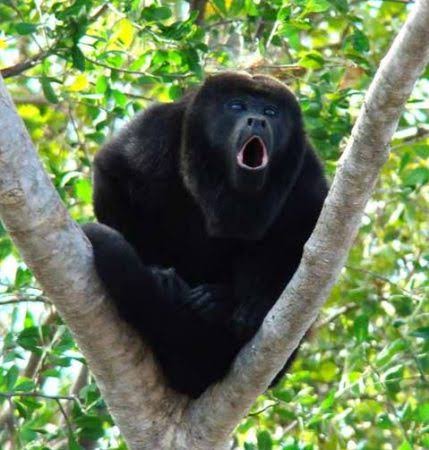
From howler monkeys moving through the forest canopy to white-tailed deer crossing open woodland, armadillos searching the forest floor, and large predators such as pumas and jaguars moving through protected forests, mammals play an essential role in maintaining the ecological balance of Guanacaste.
The region is particularly important because of its extensive tropical dry forest. This ecosystem experiences a pronounced dry season during which many trees lose their leaves, water becomes scarce, and food resources change dramatically. Mammals living here have developed remarkable adaptations to survive these seasonal conditions.
The Área de Conservación Guanacaste protects one of the largest remaining continuous areas of tropical dry forest in Mesoamerica and connects lowland dry forests with higher-elevation ecosystems. This connectivity is especially important for species that require large territories, including jaguars, pumas, and tapirs.
This guide introduces some of the mammals that inhabit Guanacaste, with an emphasis on their natural history, behavior, habitat, ecological importance, and conservation.
Why Mammals Matter
Mammals are much more than animals that visitors hope to see during a tour. They are essential components of healthy ecosystems.
Herbivores and fruit-eating mammals influence the regeneration of forests by consuming plants and dispersing seeds. Predators help regulate populations of other animals, while species that feed on insects can influence insect communities. Animals that dig through the soil can also contribute to nutrient cycling and create small disturbances that benefit other organisms.
In a tropical dry forest, these relationships become particularly important during the dry season. When resources become limited, the movement and feeding behavior of mammals can influence where seeds are transported, which plants regenerate, and how energy moves through the ecosystem.
Protecting mammals therefore means protecting the ecological processes that keep Guanacaste's forests functioning.
Mammals and the Tropical Dry Forest
The tropical dry forest is one of the defining ecosystems of Guanacaste.
Unlike a rainforest, where vegetation can remain green throughout much of the year, the dry forest experiences a strong seasonal cycle. During the dry season, rainfall can be very limited for several months. Many trees shed their leaves to conserve water, streams may become seasonal, and animals must adapt to changing food and water availability.
Some mammals respond by changing their diet, activity patterns, or movements. Others take advantage of seasonal resources such as fruits, flowers, seeds, or young vegetation.
This seasonal rhythm is one of the most fascinating aspects of wildlife in Guanacaste. The same forest can look dramatically different between the dry and rainy seasons, while its mammals continue to move through the landscape and respond to these changes.
Mammals You May Encounter in Guanacaste
Guanacaste offers opportunities to encounter mammals of many different sizes and ecological roles.
Among the most recognizable are the Mantled Howler Monkey, White-faced Capuchin, White-tailed Deer, White-nosed Coati, Central American Agouti, Collared Peccary, and Nine-banded Armadillo.
More elusive species include the Ocelot, Puma, Jaguar, Tayra, Northern Tamandua, and several nocturnal mammals.
Some species are particularly difficult to observe because they are nocturnal, solitary, naturally cautious, or require large territories. Not seeing them does not mean they are absent. In many cases, tracks, scat, feeding marks, vocalizations, or camera-trap photographs provide evidence of their presence.
For this reason, learning to recognize signs of mammals can be just as rewarding as seeing the animals themselves.
How to Read This Guide
Each species profile explains more than how to identify the animal.
You will learn where the species occurs in Guanacaste, what it eats, how it behaves, how it reproduces, and how it interacts with the forest.
Each profile also includes its conservation status and the main threats affecting its survival.
Because conservation status can differ from local population conditions, the status presented in this guide refers primarily to the species' recognized global conservation category. Local abundance and distribution can vary considerably between protected areas, forests, agricultural landscapes, and developed areas.
Responsible Mammal Watching
Wild mammals should always be observed with respect.
Never attempt to touch, feed, chase, corner, or deliberately attract a wild mammal. Animals that appear accustomed to people are still wild animals and should be allowed to maintain a safe distance.
Keep noise to a minimum when wildlife is nearby and avoid disturbing animals that are feeding, resting, sleeping, or caring for young.
Responsible wildlife tourism allows visitors to enjoy Guanacaste's biodiversity while reducing unnecessary disturbance.
The goal is not simply to see an animal.
The goal is to understand it, appreciate its role in the ecosystem, and leave the forest as undisturbed as possible.
A Forest Full of Connections
Every mammal in Guanacaste is part of a much larger ecological network.
A puma depends on healthy populations of prey. A deer influences vegetation through browsing. An agouti can transport and bury seeds. A peccary can disturb the forest floor while searching for food. Monkeys can disperse seeds between different parts of the forest. Armadillos and anteaters influence insect populations and disturb the soil while feeding.
These interactions are easy to overlook when observing a single animal.
Understanding them reveals something much more important: a forest is not simply a collection of trees and animals. It is a living network of relationships.
Protecting Guanacaste's mammals therefore means protecting the forests, wetlands, rivers, coastal habitats, and biological corridors that connect them.
Explore Guanacaste Through Its Wildlife
For visitors, encountering a wild mammal can be one of the most memorable experiences in Costa Rica.
But wildlife encounters are never guaranteed. Animals move according to food availability, weather, season, time of day, and many other factors.
The best approach is to explore patiently, observe carefully, and allow the forest to reveal itself.
Sometimes the experience will be a monkey calling from the canopy.
Sometimes it will be a deer disappearing into the forest.
Sometimes it may only be a set of tracks on a trail.
Each encounter is part of the story of Guanacaste's wildlife.
The Mammals of Guanacaste
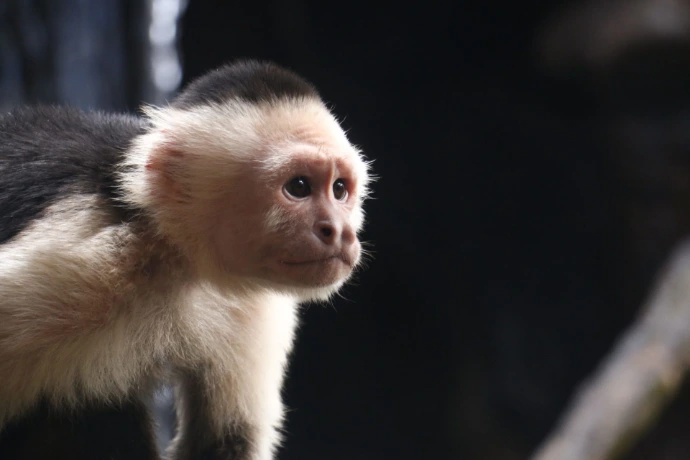
White-faced Capuchin Monkey